Teaching, learning & leadership

The work behind
the approach.

What needed attention, what I contributed, and what the evidence tells us.

These projects come from my work at Austin Community College. They reflect individual responsibilities and the contributions of colleagues and partners.

01 / Instructional design & assessment

Bringing library learning into the course

The learning need

Students in an EDUC 1300 college success course needed an introduction to library resources and research help within their course. We also needed a way to check understanding.

My responsibility

I collaborated with course faculty and developed a library resources video and quiz. The three knowledge checks addressed library resources, information evaluation, and asking a librarian for help.

Approach and deliverables

The video brought library instruction into the course, with knowledge checks tied to the topics students encountered. The deliverables were the instructional video, quiz, and an aggregate record of responses.

What the results show

The assessment summary records 19 quiz records, each with three correct answers: 57 correct responses out of 57 recorded. A separate implementation report documented a course audience of 22 students. Those are different measures and should be read separately.

What I would assess next

These results show performance on these particular checks. They do not establish retention, skill transfer, or improvement from a starting point. Reviewing students’ source selection and research decisions in their coursework would help answer those questions.

In practice: Digital instruction, learning assessment, evidence interpretation, and faculty collaboration.
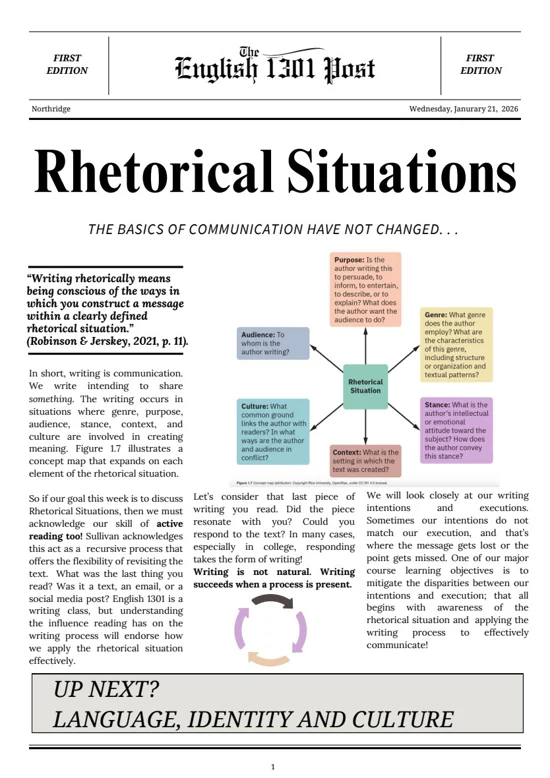
02 / Faculty training & program coordination

Making OER support easier to navigate

The need

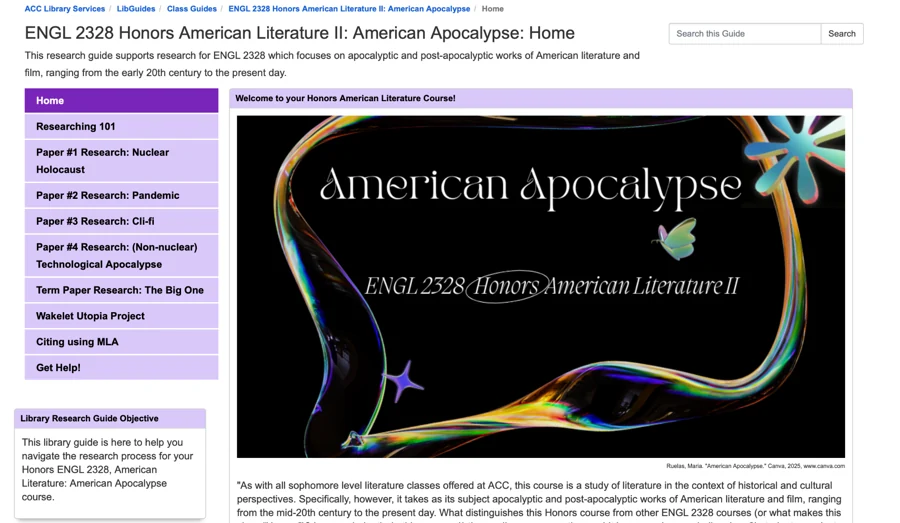
Faculty need help deciding whether open educational resources fit their courses, how licenses affect their use, and what implementation will require. Planning that support also requires a way to document requests and follow-up.

My responsibility

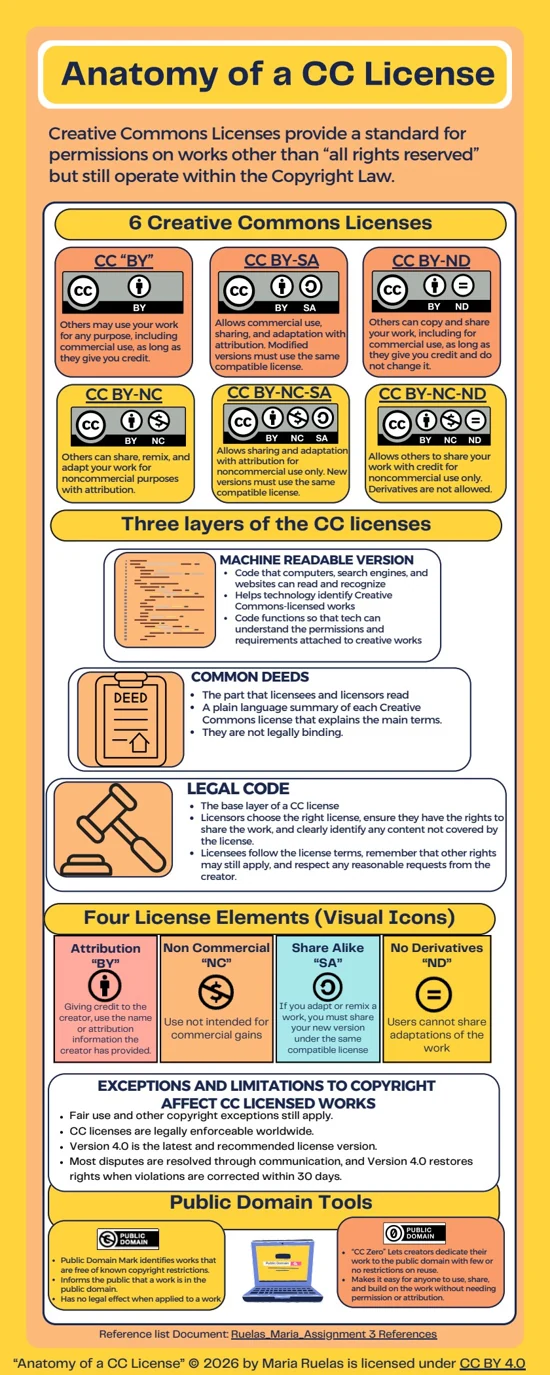
In my OER specialist assignment, I lead outreach and consultations, evaluate resources, and coordinate implementation support. I developed an activity tracking workflow and coauthored a 60-minute Creative Commons workshop with a colleague, credited as L. T. in the published plan.

Designing faculty learning

The workshop moves from identifying license elements to evaluating teaching scenarios and creating a resource plan. Participants practice finding a resource, interpreting its license, and preparing an attribution. Confidence checks and peer feedback provide opportunities to reflect on learning.

Coordinating ongoing support

The activity workflow documents course context, consultations, outreach, project activity, and follow-up. It gives service planning a record to work from, alongside faculty conversations and stakeholder input.

Deliverables

A consultation workflow, activity tracker, OER and licensing guides, and a coauthored workshop plan with objectives, a timed agenda, practice activities, a participant deliverable, and criteria for success.

Results and current status

Materials are developed, and four September 2026 tracker records document early service activity. A proposed three-year OER strategic plan is in development. The available records do not establish workshop learning gains, campuswide demand, adoption rates, or student savings.

In practice: Training design, stakeholder consultation, program coordination, activity reporting, and process improvement.

03 / Curriculum review & instructional improvement

Moving an outdated assignment toward redesign

The instructional need

The CHEM 1111 assignment had become outdated and no longer met current instructional needs. Making progress required coordination across departments and teams.

My responsibility

As chair of the Information Literacy Instruction Committee, I advanced the redesign as a shared priority. I coordinated across teams and organized a departmental work session to move the assignment review forward.

Approach and deliverables

The work brought colleagues together around a shared instructional problem. My completed contributions were the coordination, departmental work session, and collaborative approach for developing the revised assignment.

Status at handoff

Assignment development remained underway when I transitioned out of the chair role. The coordination work and the assignment redesign are separate stages; this example does not claim a completed rollout.

What I would assess next

After implementation, I would review student work, learning outcomes, and instructor feedback to see whether the revised assignment addresses the original need.

In practice: Curriculum review, facilitation, project coordination, stakeholder collaboration, and continuous improvement.

04 / Collaborative program development

Helping a research award take shape

The need

A new Library Research Award needed a clear proposal, funding, evaluation criteria, and a practical path toward launch.

My responsibility

I collaborated with M. C. and J. L.-M. on the proposal and Spark Tank pitch. My contributions included communication, instructional materials, partner outreach, and rubric development, with shared responsibility for program resources.

Approach

The work progressed from proposal development and the funding pitch to promotional coordination, reusable slides for faculty librarians, and outreach to the Belonging Centers. Evaluation criteria developed alongside the launch planning.

Deliverables

A funded proposal, faculty communications, reusable instructional slides, partner outreach, and continued rubric development.

Results and documented status

Our team received $2,500 following the April 3, 2026 Spark Tank pitch. The milestone record documents launch preparation through September 2026. Award selection, distribution, and program impact are not reported here.

In practice: Program development, project planning, resource coordination, evaluation design, and stakeholder engagement.

Supporting work

Research, access, and collaboration.

Additional examples of how I review information, document needs, and work with others to improve educational services.

05 / Policy review & shared governance

Taking a broader view of academic integrity

The problem

ACC’s Academic and Student Affairs Council reviewed revisions to the Academic Integrity administrative rule. The work addressed the need to frame student plagiarism within a broader academic integrity approach.

My contribution

As a council member, I reviewed the redlined revisions and worked collaboratively with colleagues on the revised document. My role was to contribute to the review and shared governance process.

The deliverable and result

The revised document advanced for districtwide shared governance review. This example reflects a completed review contribution and the next stage of institutional consideration.

06 / Accessibility review & improvement planning

Turning accessibility findings into follow-up work

The problem

Digital research guides need regular review. Some issues can be corrected locally; others involve linked files or database content managed by a provider.

My contribution

I reviewed 19 published library guides in February 2026. The detailed Composition and Literary Studies inventory records eight pages, their review findings, and notes for follow-up.

The deliverable and result

The eight-page inventory documented 42 automated alerts and identified issues such as missing alternative text and a PDF link needing attention. Notes distinguished locally editable content from database text outside my direct control.

The inventory supports prioritization and assigning follow-up work. Automated scores and alerts alone do not demonstrate accessibility compliance or completed remediation.

07 / Partnership coordination

Using partner feedback to improve shared programming

The need and my contribution

Library collaboration with the AAPI Cultural Center involved multiple campus locations, staff, and participation needs. As a liaison and collaborator, I helped coordinate programming, guides, promotional materials, and communication.

I sent a collaborator survey in November 2025 and analyzed feedback to inform spring coordination. Later work included a book club kit option, campus communication, and responsibility handoffs.

The result

The work produced shared resources, a feedback process, flexible participation options, and continuity as responsibilities changed.

Writing, teaching & practical tools

A few things I’ve made.

Examples of how I translate information into guidance people can use.

Direct service keeps the work grounded.

Alongside these projects, I teach English composition and help learners navigate research, GED preparation, and English language resources. Those conversations keep everyday information needs visible in my planning and teaching.

Experience & education Back to project index